Education Rooted in Equity, Reconciliation, and Collective Voice
The CSBA represents provincial and territorial school board associations across Canada, bringing together the voices of democratically elected trustees.
At the heart of this plan is a belief in public education as a national responsibility and a local trust. This strategic plan defines three intersecting priorities that shape our collective work. These priorities reflect both continuity and evolution drawing on the lessons of the past while charting a bold, inclusive future.
Advocacy and Public Leadership
We strengthen the national influence of democratically elected school boards as thought leaders and trusted partners in shaping educational policy.
Reconciliation and Indigenous Partnerships
We strive to prioritize long-term relationships with Indigenous communities and the inclusion of Indigenous knowledges and leadership in education governance.
Contextualizing Education within Health and Wellness Mandates
We promote a holistic view of student success, recognizing that mental health, nutrition, physical wellness, and safety are integral to learning.

Advocacy and Public Leadership
This priority focuses on strengthening the national influence of democratically elected school boards as thought leaders and trusted partners in shaping educational policy. It encompasses advocacy efforts that are grounded in local realities but aimed at national impact ensuring the voices of school communities guide Canada’s public education future.
Direction 1.1
Promote Federal Influence and National Dialogue
This priority focuses on strengthening the national influence of democratically elected local school boards as thought leaders and trusted partners in shaping educational policy.
Objective: Position CSBA as the national voice for K–12 education policy.
Impact: Greater visibility and credibility in federal and provincial decision-making, amplifying elected local school board perspectives.

Direction 1.2
Facilitate the Sharing of Advocacy and Expand Leadership
Equip member associations with the tools, networks,
and strategies to lead advocacy efforts in their
jurisdictions and collectively shape federal education
discourse.
Objective: Strengthen member associations’ capacity
through advocacy tools, shared strategies, and national
convenings. This includes building momentum around
regional, provincial, territorial and federal advocacy
events and deepening CSBA’s partnership with national
education partners.
Impact: Stronger, coordinated advocacy voices across
provinces and territories.


Reconciliation and Indigenous Partnerships
This priority is a call to action: to move from acknowledgment to accountability in fulfilling the Truth and Reconciliation Commission’s Calls to Action. It prioritizes long-term relationships with Indigenous communities and the inclusion of Indigenous knowledges and leadership in education governance.
Direction 2.1
Establish a National Framework for Reconciliation
Support member associations in embedding reconciliation alongside equity, anti-racism, and universal design principles into governance structures and decision-making processes.
Objective: Develop a national framework rooted
in the Truth and Reconciliation Commission’s Calls
to Action in education, providing a foundation that
members can adapt within their own provincial and
territorial contexts.
Impact: Consistent and transparent national
progress on reconciliation, empowering members to
build responsive and sustainable pathways toward
equity and inclusion.

Direction 2.2
Strengthen Indigenous Partnerships
Define, promote, and measure belonging as a necessary
condition for learning, engagement, and well-being.
Objective: Foster national partnerships through
Indigenous education exchanges and provide a toolkit
that member associations can adapt provincially and
territorially to measure belonging in their communities.
Impact: Enhance student retention and staff
satisfaction by creating inclusive, affirming environments
with meaningful, co-created educational opportunities
for Indigenous and non-Indigenous students.
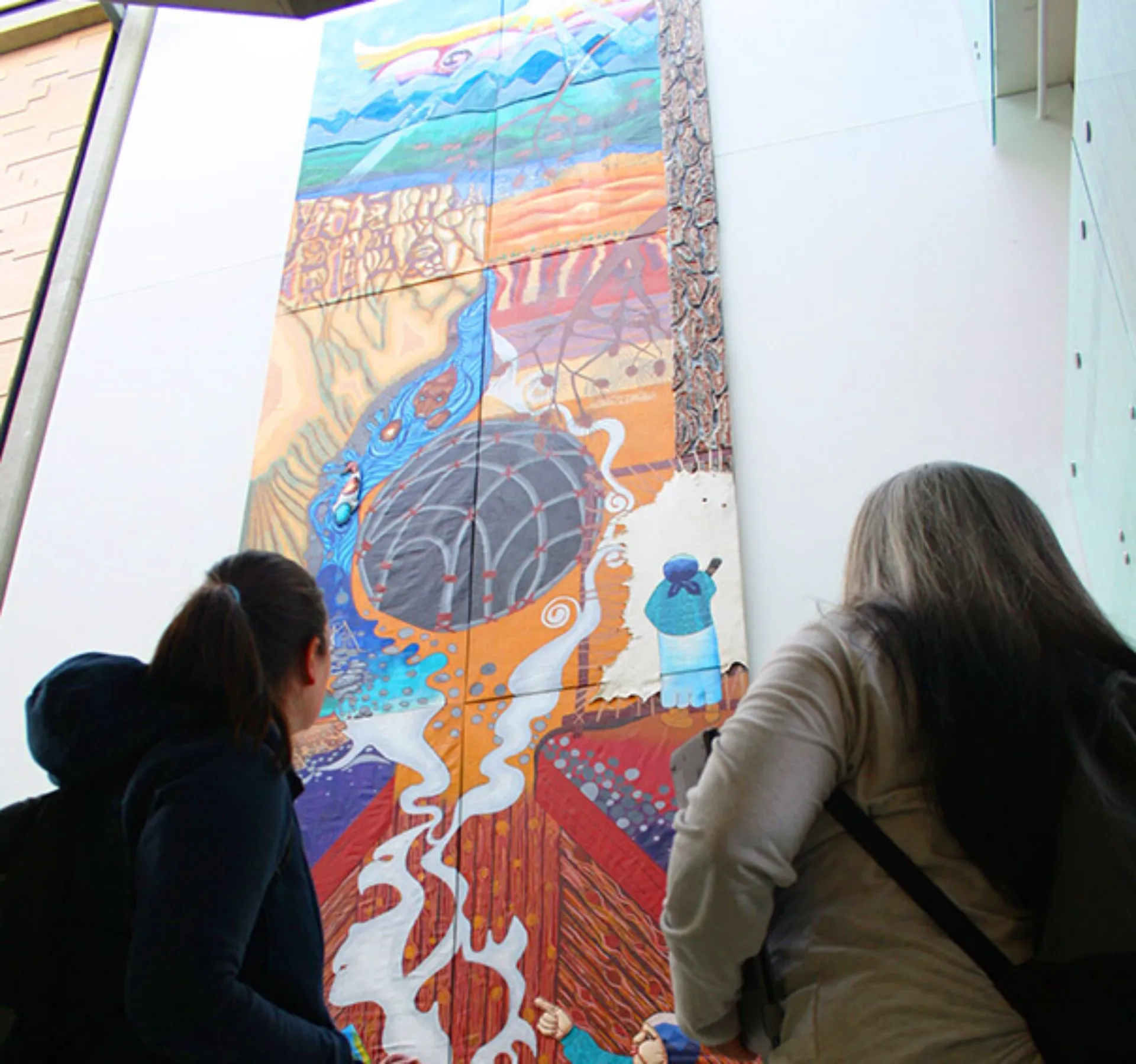
Contextualizing Education within Health and Wellness Mandates
This priority promotes a holistic view of student success, recognizing that mental health, nutrition, physical wellness, and safety are integral to learning. It ensures that health, wellness, and emerging developments are part of the national education conversation, with CSBA adding value by highlighting how these factors intersect with education systems to support thriving students and staff.
Direction 3.1
Establish a National framework for School-Based Wellness
Objective: Create a national framework for integrating
key health indicators into education systems, providing
a model that member associations can adapt to meet
provincial and territorial contexts.
Impact: Strengthened national conversations linking
education and health.